

Introduction
In today’s fast-paced world, stress has become a part of everyday life — but that doesn’t mean we have to live with it unchecked. To understand how we can better manage stress, we sat down with Dr. Anjali Mehta, a licensed clinical therapist with over a decade of experience in mental health and stress management. In this insightful interview, Dr. Mehta shares practical strategies, psychological insights, and self-care techniques to help you take control of your stress.
1. Q: What are the most common causes of stress you see in your clients?
Dr. Mehta:
“The most common triggers are related to work pressure, financial insecurity, relationship issues, and health concerns. Even positive life changes — like a new job or moving — can be stressful. It’s not always the event itself, but how we perceive and cope with it.”
2. Q: What are a few effective stress management techniques you recommend?
Dr. Mehta:
“Start with the basics: deep breathing, exercise, and a consistent sleep schedule. I also recommend grounding techniques — like the 5-4-3-2-1 method — and journaling. These help bring awareness to the present moment and give you control over your mental space.”
3. Q: How important is self-awareness in managing stress?
Dr. Mehta:
“Extremely important. Recognizing what stresses you out and how your body responds is the first step. Self-awareness allows you to identify patterns and take action before stress becomes overwhelming.”
4. Q: Can you explain the role of mindfulness and meditation?
Dr. Mehta:
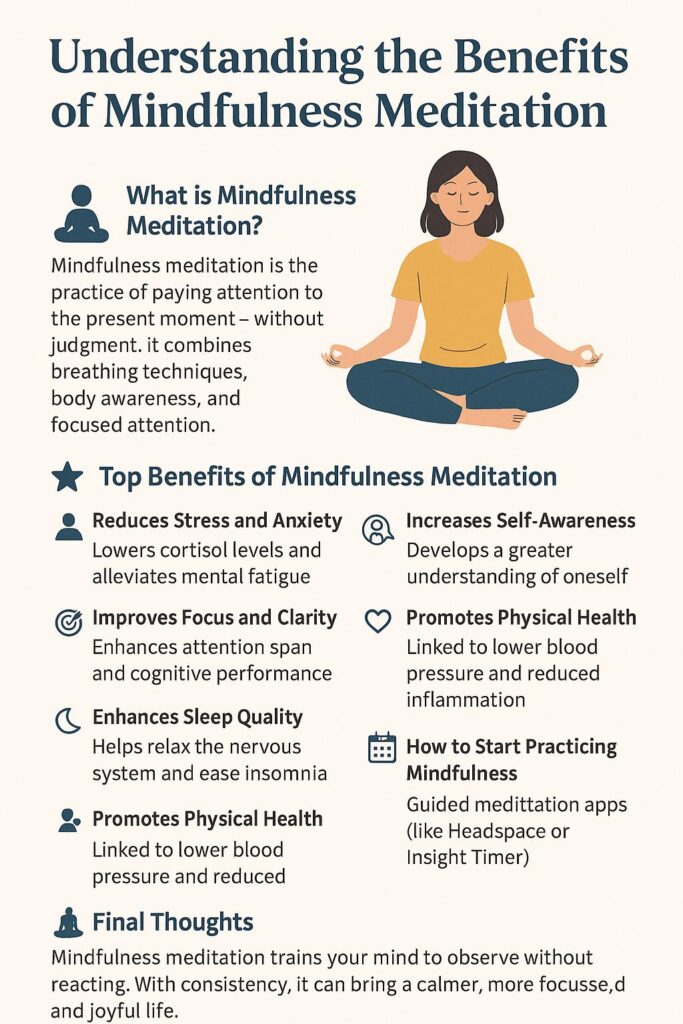
“Mindfulness is about being present without judgment. Even a 5-minute meditation can reset your nervous system. Apps like Headspace or Insight Timer can help beginners. The goal isn’t to ‘clear your mind’ but to anchor your attention in the now.”
5. Q: What would you say to people who feel they’re too busy to relax?
Dr. Mehta:
“I hear this all the time. But stress builds when we ignore it. Even small moments — like a 10-minute walk or unplugging before bed — can make a huge difference. Taking care of yourself isn’t selfish, it’s survival.”
6. Q: When should someone consider seeing a therapist for stress?
Dr. Mehta:
“If stress starts interfering with your daily life — trouble sleeping, irritability, anxiety, or physical symptoms like headaches or chest pain — it’s time to seek support. Therapy is a proactive step, not a last resort.”
7. Q: Any final advice for managing stress in today’s world?
Dr. Mehta:
“You don’t have to do it alone. Build a support system, set healthy boundaries, and practice self-compassion. Remember, stress is a part of life — but chronic stress doesn’t have to be.”
Conclusion
Stress is inevitable, but how we manage it can make all the difference. With expert tips from Dr. Mehta, we’re reminded that taking small, intentional steps each day can lead to long-term resilience and well-being. Whether it’s through mindfulness, therapy, or simply slowing down — your mental health is worth the effort.