

Introduction
Carbohydrates often get a bad reputation — especially in the age of keto, paleo, and low-carb diets. But are all carbs really bad for you? The truth is, not all carbs are created equal. In fact, many are essential for your body and brain to function properly. In this blog post, we’ll break down the different types of carbs, debunk the myths, and help you understand how to include them wisely in your diet.
1. What Are Carbohydrates?
Carbohydrates are one of the three macronutrients (along with proteins and fats) that provide energy. They are found in a wide variety of foods — from fruits and vegetables to bread and pasta.
There are three main types:
- Sugars: Simple, quick-energy carbs (e.g., candy, soda, fruit).
- Starches: Complex carbs found in foods like rice, potatoes, and whole grains.
- Fiber: A non-digestible carb that aids digestion and keeps you full.
2. The Difference Between Good and Bad Carbs
Not all carbs are the same. Here’s the key difference:
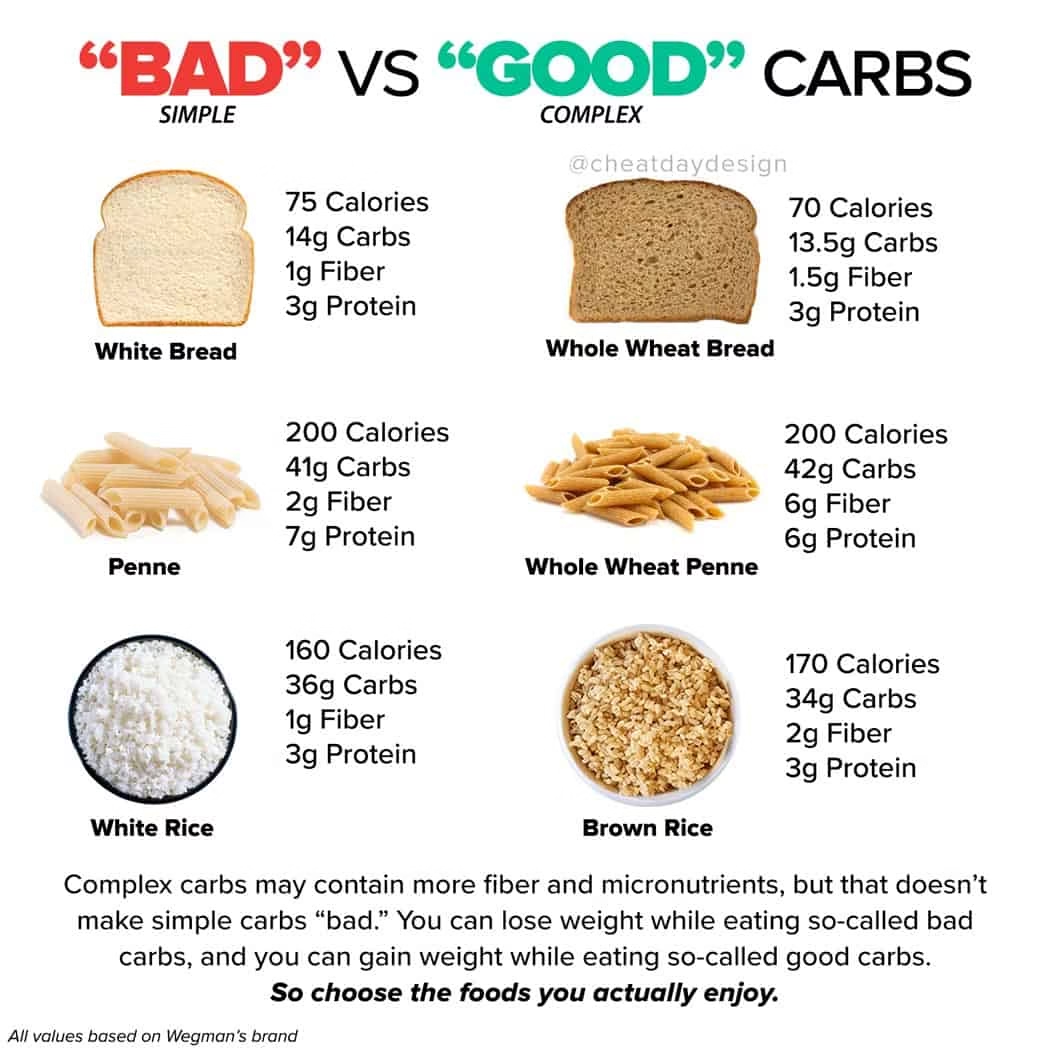
✅ Healthy (Complex) Carbs:
- Found in whole foods like vegetables, fruits, legumes, and whole grains.
- Provide vitamins, minerals, and fiber.
- Release energy slowly, keeping you full and energized.
❌ Unhealthy (Refined) Carbs:
- Found in processed foods like white bread, pastries, and sugary snacks.
- Often stripped of fiber and nutrients.
- Cause quick spikes in blood sugar, leading to crashes and cravings.
3. Why Your Body Needs Carbs
- Primary Energy Source: Your brain and muscles rely on carbs for fuel.
- Supports Digestion: Fiber-rich carbs promote a healthy gut.
- Aids in Recovery: Carbs help replenish energy stores after exercise.
- Mood & Mental Health: A lack of carbs may affect mood and cognitive function.
4. How to Choose the Right Carbs
Here’s how to make smarter choices:
- Pick whole grains over refined grains (brown rice vs. white rice).
- Eat fruit instead of fruit juice (whole fruit contains fiber).
- Include beans, lentils, and vegetables in your meals.
- Read labels — avoid added sugars and refined flours.
5. Low-Carb Diets: Are They Necessary for Everyone?
Low-carb diets work for some, especially for managing blood sugar or weight. However, they’re not ideal for everyone.
- Athletes and active individuals often need more carbs.
- Long-term restriction can lead to fatigue, constipation, and nutrient gaps.
- Balance is key — cutting all carbs is not sustainable or necessary for most people.
6. Sample Healthy Carb-Rich Meals
- Oatmeal with fruit and nuts
- Quinoa salad with roasted vegetables
- Whole grain wrap with hummus and greens
- Sweet potato with black beans and avocado
Conclusion
Carbohydrates are not your enemy. Like any nutrient, it’s about quality and quantity. Choose fiber-rich, whole-food sources of carbs, limit highly processed versions, and don’t fall for the myth that all carbs are bad. A balanced diet includes healthy carbs — and your body will thank you for it.