

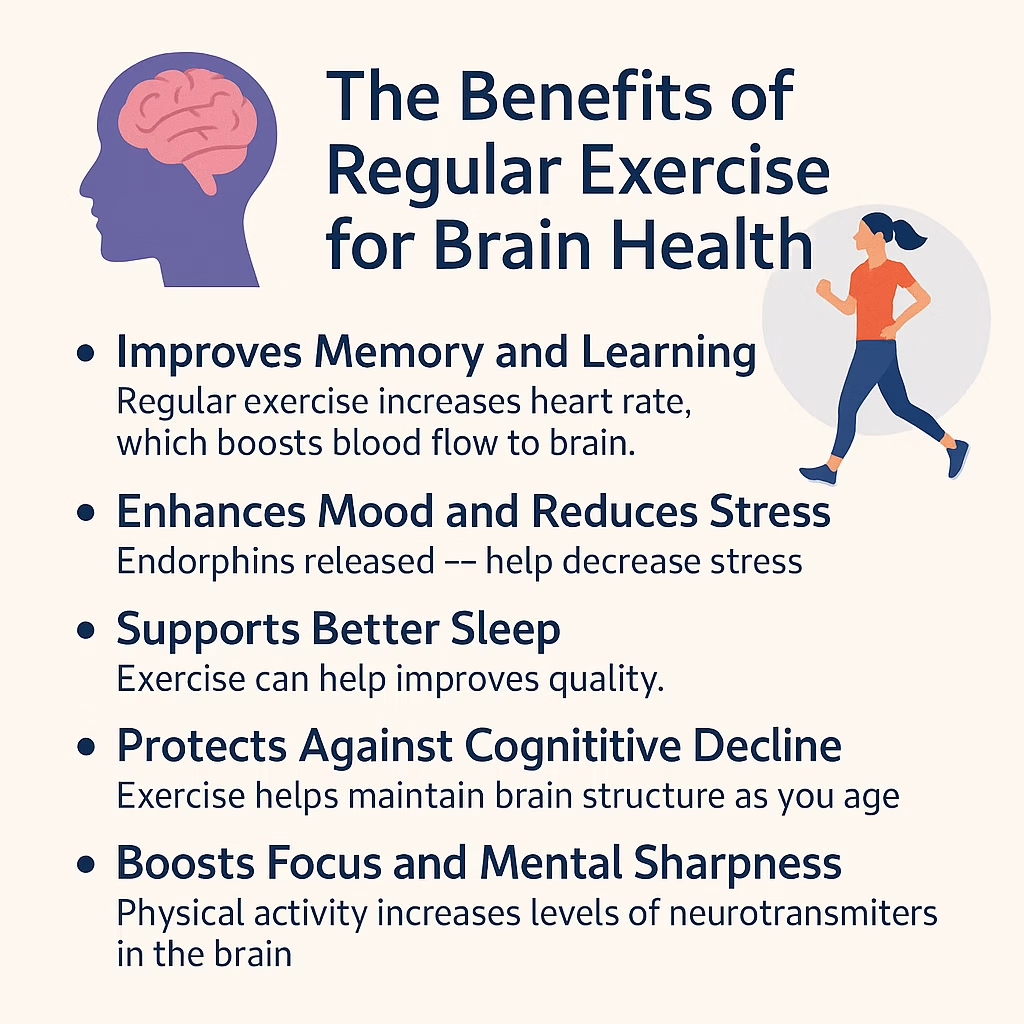
We all know that regular exercise improves physical fitness, but did you know it also plays a vital role in brain health? From boosting memory to reducing the risk of cognitive decline, exercise is one of the most powerful tools to keep your mind sharp and resilient.
🧬 1. Improves Memory and Learning
When you exercise, your heart rate increases, which boosts blood flow to the brain. This increased circulation delivers more oxygen and nutrients, helping your brain function more efficiently. Regular physical activity also stimulates the release of brain chemicals like brain-derived neurotrophic factor (BDNF), which supports the growth of new neurons and enhances learning and memory.
💡 2. Enhances Mood and Reduces Stress
Exercise is a natural mood booster. Physical activity triggers the release of endorphins—commonly known as the “feel-good” hormones. It also lowers levels of cortisol, the stress hormone. People who exercise regularly often report lower levels of anxiety and depression, improved self-esteem, and a greater sense of well-being.
💤 3. Supports Better Sleep
Good sleep is essential for brain health, and regular exercise can help improve sleep quality. It helps you fall asleep faster and enter deeper sleep cycles, which are critical for memory consolidation and emotional processing.
🧓 4. Protects Against Cognitive Decline
Studies have shown that adults who engage in consistent physical activity have a lower risk of developing cognitive issues like dementia and Alzheimer’s disease. Exercise helps maintain the size of key brain regions like the hippocampus, which is involved in memory and learning.
⚙️ 5. Boosts Focus and Mental Sharpness
Physical activity increases dopamine and norepinephrine levels in the brain, which enhance concentration and attention. This can be especially beneficial for people with focus-related challenges, such as ADHD. A quick walk or workout can help reset your brain and boost productivity.
🧘 6. Encourages Neuroplasticity
Neuroplasticity is the brain’s ability to adapt and reorganize itself by forming new neural connections. Exercise promotes this adaptability, making it easier to learn new skills, retain information, and recover from brain injuries or strokes.
🏃♀️ What Types of Exercise Help Most?
- Aerobic exercises (like walking, swimming, or cycling) are excellent for boosting brain function and memory.
- Strength training (like lifting weights) improves executive function and mental clarity.
- Mind-body exercises (like yoga and tai chi) reduce stress and improve focus.
Even moderate physical activity for just 30 minutes a day, five times a week, can make a significant difference in how your brain functions and feels.
✅ Final Thoughts
Exercise isn’t just about building muscle or losing weight—it’s a brain booster too. Whether you’re looking to improve focus, protect memory, or simply feel mentally sharper, regular physical activity is one of the best investments you can make in your long-term cognitive health.