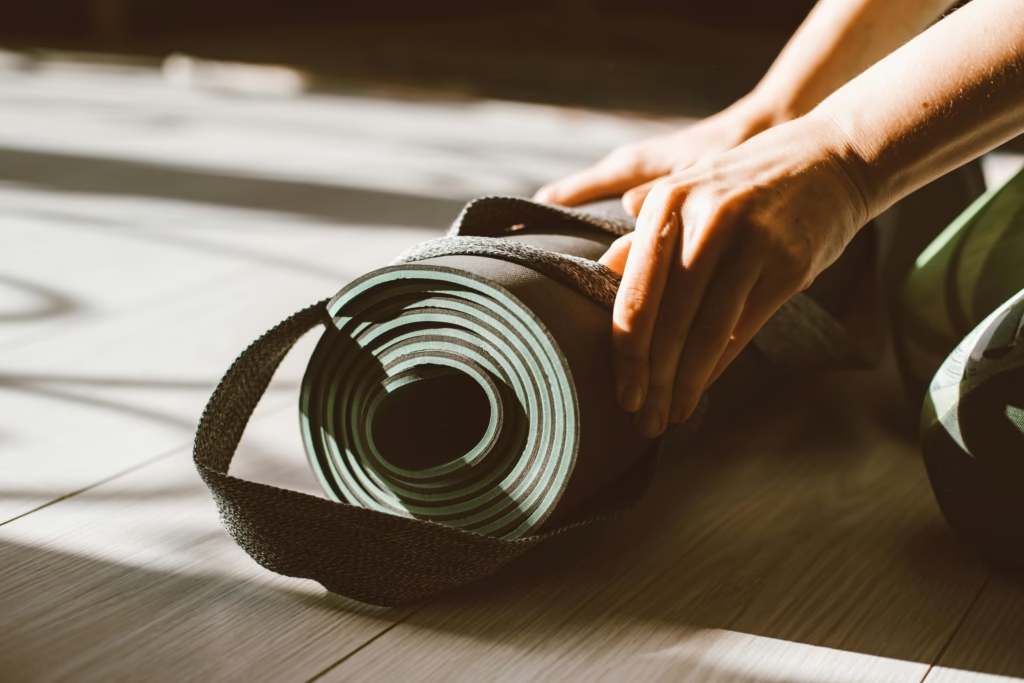


As we grow older, staying physically active becomes more important than ever. Regular movement isn’t just about maintaining fitness—it plays a vital role in preserving independence, mental clarity, emotional well-being, and overall health.
In this post, we’ll explore why staying active as you age matters, the benefits it brings, and safe, enjoyable ways to incorporate movement into your everyday routine—no matter your age or ability.
💡 Why Physical Activity Matters More With Age
Aging naturally brings changes: slower metabolism, decreased bone density, joint stiffness, and reduced muscle mass. But physical inactivity accelerates these changes. Staying active helps slow down the aging process and enhance quality of life.
Benefits of staying active include:
- Lower risk of chronic diseases (heart disease, diabetes, arthritis)
- Improved balance and coordination, reducing fall risk
- Better memory, mood, and cognitive function
- Enhanced mobility and flexibility
- Higher energy levels and better sleep
- Maintenance of independence in daily tasks
🧠 Mental & Emotional Well-being
Exercise is one of the most effective ways to boost mental health. For older adults, staying active helps:
- Reduce stress, anxiety, and depression
- Improve self-confidence and mood
- Support brain health and delay cognitive decline
- Provide social interaction through group activities or walking clubs
🏋️♀️ Safe & Effective Activities for Older Adults
You don’t need to run marathons or hit the gym for hours. Low-impact, consistent activity is often more sustainable and beneficial.
Recommended exercises include:
- Walking – Gentle on joints, great for heart and lungs
- Swimming or Water Aerobics – Low-impact, full-body workout
- Tai Chi or Yoga – Enhances balance, flexibility, and mindfulness
- Strength Training – Using light weights or resistance bands to maintain muscle
- Stretching – Improves flexibility and reduces stiffness
- Dancing – Fun, social, and great cardio!
📆 How Often Should You Exercise?
According to health experts, adults aged 65+ should aim for:
- 150 minutes of moderate-intensity aerobic activity per week
- 2 or more days of strength training
- Daily balance and flexibility exercises
Always consult your doctor before starting a new exercise program, especially if you have pre-existing conditions.
✅ Tips for Staying Consistent
- Start slow and listen to your body
- Set realistic goals
- Find activities you enjoy
- Exercise with a friend or join a group class
- Keep it part of your daily routine
🧭 Final Thought
Staying active as you age is one of the best investments you can make in your future. It’s never too late to start moving, and even small steps can lead to big improvements in your physical and mental well-being.
Stay strong, stay mobile, and stay engaged with life—at every age.