

Introduction
Few things feel as satisfying as transforming simple ingredients into silky, tender pasta right in your own kitchen. While making pasta from scratch might seem intimidating, it’s actually a fun and approachable skill that anyone can learn with a bit of practice.
Whether you dream of delicate fettuccine, pillowy ravioli, or rustic pappardelle, this step-by-step guide will help you master homemade pasta dough and shape it like a pro.
🍝 Why Make Pasta at Home?
Homemade pasta offers benefits you can taste and feel:
✅ Superior texture—chewy and tender in all the right ways
✅ Fewer ingredients—just flour, eggs, and salt
✅ Customization—create unique flavors, shapes, and colors
✅ Connection—experience the joy of traditional, hands-on cooking
Ready to roll? Let’s get started!
🧾 Basic Egg Pasta Dough Recipe
Ingredients (Serves 4):
- 2 cups (250g) 00 flour or all-purpose flour
- 3 large eggs
- ½ teaspoon salt
Optional:
- 1 tablespoon olive oil (adds elasticity)
👩🍳 Step-by-Step Instructions
1️⃣ Form a Well
- Place the flour on a clean countertop or large board.
- Use your hands or a measuring cup to create a well in the center.
2️⃣ Add Eggs
- Crack the eggs into the well.
- Sprinkle in salt (and oil if using).
3️⃣ Incorporate the Flour
- With a fork, gently beat the eggs.
- Gradually draw flour in from the edges until a shaggy dough begins to form.
4️⃣ Knead the Dough
- Gather the dough together.
- Knead firmly with the heels of your hands for 8–10 minutes until it’s smooth and elastic.
Tip: If the dough feels too dry, add a few drops of water. If it’s too sticky, sprinkle a bit more flour.
5️⃣ Rest the Dough
- Wrap the dough tightly in plastic wrap or cover with a bowl.
- Let it rest at room temperature for 30 minutes. This allows the gluten to relax, making it easier to roll.
🍽️ Rolling and Shaping Pasta
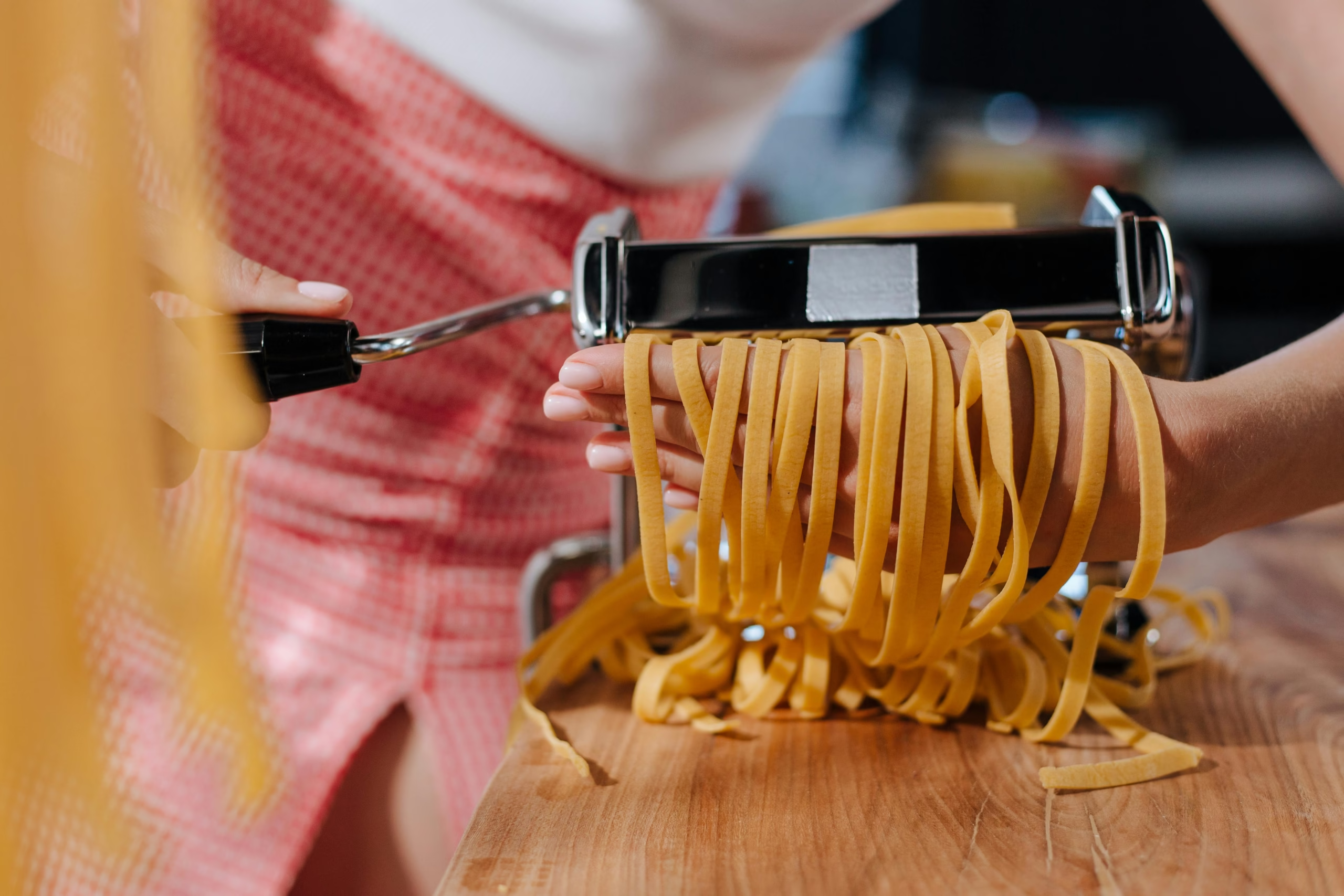
You can use a pasta machine or a rolling pin.
With a Pasta Machine:
- Cut the dough into quarters.
- Flatten one piece and dust lightly with flour.
- Feed it through the widest setting.
- Fold in half and repeat 2–3 times to develop smoothness.
- Gradually reduce settings, rolling until desired thickness is reached (usually setting 6 or 7).
- Cut into shapes: fettuccine, tagliatelle, or lasagna sheets.
With a Rolling Pin:
- Place dough on a floured surface.
- Roll from the center outward, rotating frequently.
- Roll until dough is thin enough to see your hand through it (about 1–2 mm).
- Trim edges and cut into strips with a knife.
For Filled Pasta (e.g., Ravioli):
- Roll sheets slightly thinner.
- Place filling teaspoons evenly spaced.
- Cover with another sheet.
- Press around filling to seal.
- Cut into shapes and press edges with a fork.
🌿 Cooking Fresh Pasta
- Bring a large pot of salted water to a rolling boil.
- Cook fresh pasta for 2–4 minutes (much faster than dried pasta).
- Taste for doneness—it should be tender but slightly firm to the bite.
- Drain and toss immediately with sauce.
💡 Tips for Success
✅ Always let your dough rest—this prevents shrinkage when rolling.
✅ Keep unused dough wrapped to avoid drying out.
✅ Use 00 flour for a silky texture, or semolina for a heartier bite.
✅ Dust pasta lightly with flour to prevent sticking.
✅ Cook pasta soon after making or freeze in nests for later.
✨ Flavor Variations
🌿 Herb Pasta: Mix finely chopped fresh herbs into the flour.
🥚 Spinach Pasta: Blend cooked spinach into the eggs for vibrant green dough.
🦑 Squid Ink Pasta: Add a tablespoon of squid ink for dramatic black noodles.
Conclusion
Mastering homemade pasta is a rewarding skill that elevates any meal into something special. With a little time, patience, and practice, you’ll create pasta that rivals your favorite trattoria.