

Introduction
Individual Retirement Accounts (IRAs) are one of the most effective tools for building long-term wealth and preparing for a secure retirement. Yet, many people feel overwhelmed by the rules, limits, and choices.
Don’t worry—you’re not alone. In this Q&A, we’ll answer the most common questions about IRAs, so you can make confident, informed decisions about your financial future.
❓ What Is an IRA?
An Individual Retirement Account (IRA) is a tax-advantaged investment account that allows you to save for retirement.
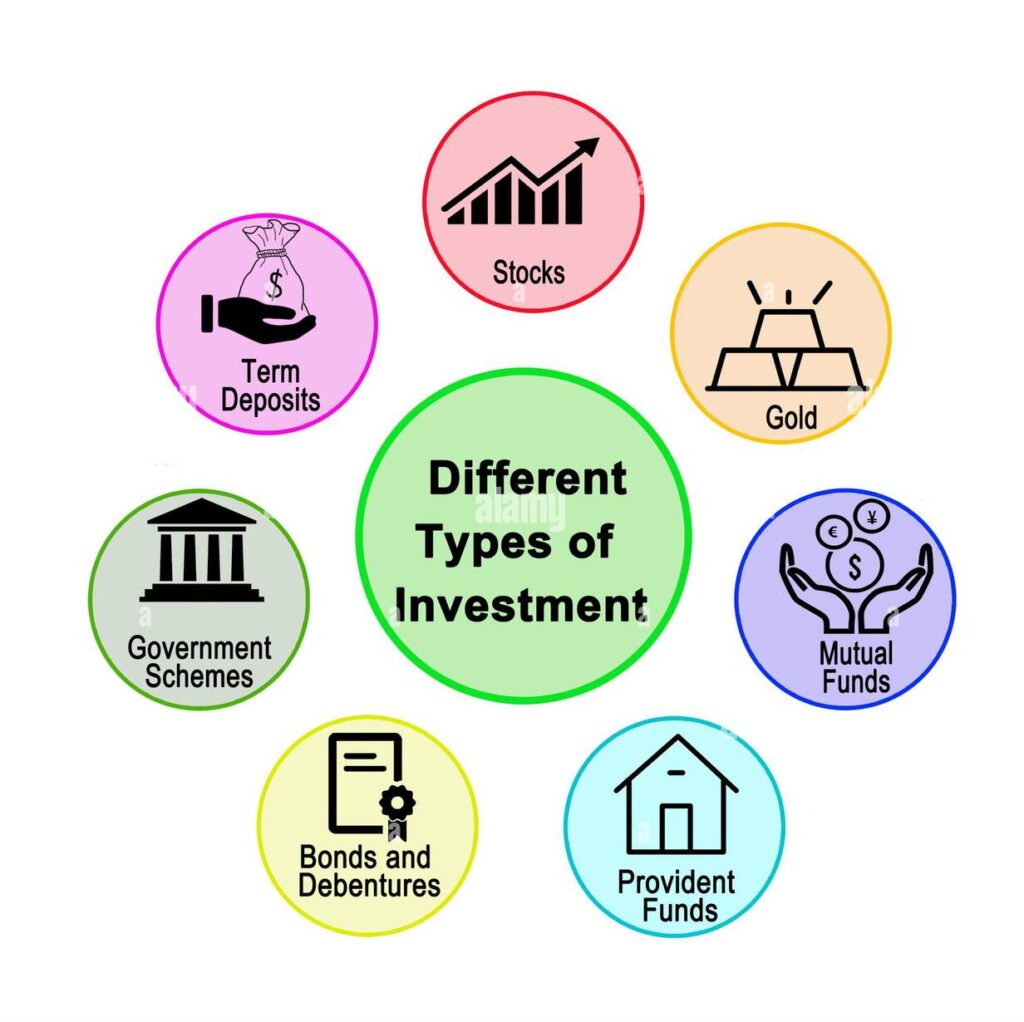
There are different types of IRAs, but they all have the same purpose: to help your money grow over time through investments like stocks, bonds, mutual funds, and ETFs.
❓ What Are the Main Types of IRAs?
✅ Traditional IRA
- Contributions may be tax-deductible.
- Investments grow tax-deferred until you withdraw funds in retirement.
- Withdrawals are taxed as ordinary income.
✅ Roth IRA
- Contributions are made with after-tax dollars (no tax deduction).
- Investments grow tax-free.
- Qualified withdrawals in retirement are also tax-free.
✅ SEP IRA & SIMPLE IRA
- Designed for self-employed individuals and small business owners.
- Allow higher contribution limits than Traditional and Roth IRAs.
❓ How Much Can I Contribute to an IRA?
For 2024, contribution limits are:
- Under age 50: $7,000 per year
- Age 50 and older: $8,000 per year (includes a $1,000 catch-up contribution)
Note:
- These limits apply per person, not per account.
- You must have earned income to contribute.
❓ What’s the Difference Between a Traditional and Roth IRA?
| Feature | Traditional IRA | Roth IRA |
|---|---|---|
| Contributions | May be tax-deductible | Not tax-deductible |
| Growth | Tax-deferred | Tax-free |
| Withdrawals | Taxed as income | Tax-free (if qualified) |
| Income Limits | No limits to contribute | Income limits apply |
| RMDs (after age 73) | Required Minimum Distributions | None during your lifetime |
Tip: If you expect to be in a higher tax bracket later, a Roth IRA may be advantageous.
❓ Can I Have Both a Traditional and Roth IRA?
Yes! You can open and contribute to both, as long as your combined contributions don’t exceed the annual limit.
Example:
- $3,500 contributed to a Roth IRA
- $3,500 contributed to a Traditional IRA
Total: $7,000 (limit for under 50)
❓ Who Can Contribute to a Roth IRA?
To contribute to a Roth IRA, your income must be below certain limits:
For 2024:
- Single filers: Contribution begins to phase out at $146,000, eliminated at $161,000.
- Married filing jointly: Phases out at $230,000, eliminated at $240,000.
❓ When Can I Withdraw Money?
✅ Traditional IRA:
- Withdrawals before age 59½ typically incur a 10% penalty + taxes.
- Exceptions include disability, first-time home purchase (up to $10,000), and certain medical expenses.
✅ Roth IRA:
- You can withdraw contributions anytime tax- and penalty-free.
- Earnings are tax- and penalty-free if you’re over 59½ and the account has been open at least 5 years.
❓ What Are RMDs?
Required Minimum Distributions (RMDs) are mandatory withdrawals from Traditional IRAs starting at age 73.
- You must take at least the minimum amount each year.
- If you don’t, the IRS imposes a steep penalty—25% of the amount you should have withdrawn.
Roth IRAs do not require RMDs during your lifetime.
❓ Can I Roll Over a 401(k) to an IRA?
Absolutely. After leaving a job, you can roll over your 401(k) into a Traditional IRA (or Roth IRA if you’re willing to pay taxes on pre-tax dollars).
Benefits of a rollover:
- Keep all your retirement savings in one place.
- Often have more investment options and lower fees.
❓ How Do I Open an IRA?
Opening an IRA is simple:
- Choose a provider (brokerage, bank, robo-advisor).
- Complete an application online or in person.
- Fund the account via bank transfer or rollover.
- Select investments aligned with your goals.
✨ Conclusion
IRAs are a powerful way to save for retirement, reduce taxes, and grow wealth over the long term. Whether you choose a Traditional or Roth IRA, the key is to start as early as you can and contribute regularly.