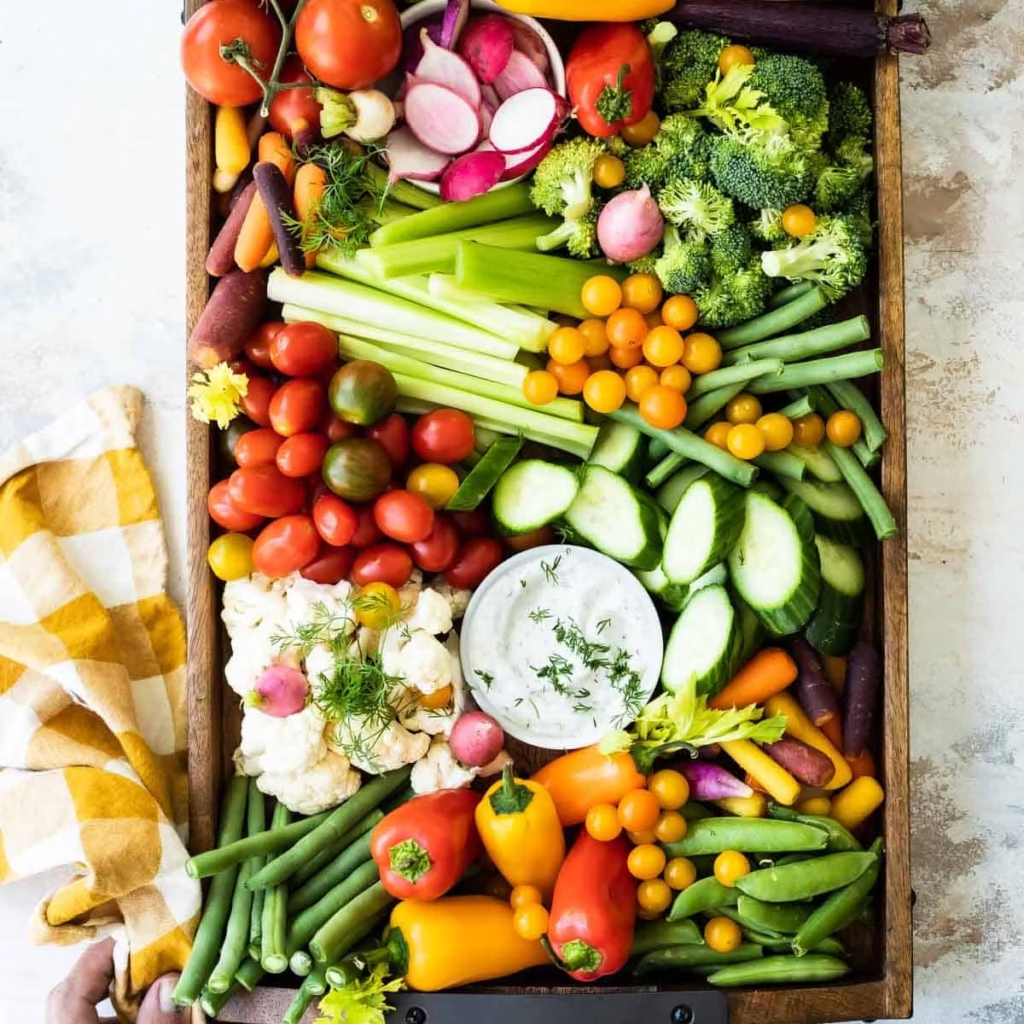


Walk into any grocery store today and you’ll likely see labels shouting “100% Organic” or “Certified Organic” across fruits, vegetables, dairy, and even snacks. For many health-conscious consumers, organic food is the gold standard—but is it always the healthier choice?
In this article, we’ll break down what “organic” really means, explore the nutritional, environmental, and safety differences, and help you decide if going organic is worth it for your health (and your wallet).
🌿 What Does “Organic” Mean?
Organic food refers to products grown and processed without synthetic pesticides, herbicides, fertilizers, antibiotics, or genetically modified organisms (GMOs).
In most countries, certified organic farming also follows strict guidelines for:
- Soil health
- Animal welfare
- Sustainable farming practices
Organic meat and dairy come from animals raised on organic feed and without routine antibiotics or growth hormones.
🥗 Nutritional Differences: Is Organic More Nutritious?
Here’s what the science says:
- Some studies show slightly higher levels of antioxidants (like polyphenols) in organic produce.
- Organic dairy and meat may contain more omega-3 fatty acids due to grazing-based feeding.
- However, the nutritional difference is generally small and may not significantly impact overall health.
✅ Conclusion: Organic foods may be modestly more nutritious, but not dramatically so.
🧪 Pesticide Exposure: A Real Concern?
One of the top reasons people choose organic food is to reduce their exposure to pesticides.
- Organic produce contains lower levels of pesticide residues compared to conventional.
- For most people, the levels in non-organic food are still within safe limits set by food safety authorities.
- Children and pregnant women may benefit more from lower exposure to synthetic chemicals.
✅ Conclusion: Choosing organic can reduce your chemical exposure, especially important for vulnerable groups.
🌍 Environmental Impact
Organic farming is typically better for the environment in key areas:
- Improves soil health and biodiversity
- Reduces water contamination from chemical runoff
- Limits antibiotic resistance by avoiding routine antibiotic use in animals
However, it may require more land and produce lower yields, raising questions about sustainability at scale.
✅ Conclusion: Organic farming supports environmental health, but may not be the only solution to sustainable agriculture.
💸 Cost vs. Value
Organic food often costs 20–50% more than conventional options.
If you’re on a budget, consider prioritizing organic versions of the most pesticide-heavy foods, known as the “Dirty Dozen” (e.g., strawberries, spinach, apples).
✅ Smart Tip: Save money by buying organic only where it matters most or shopping local from trusted farmers.
🍎 So, Is Organic Always Healthier?
Not necessarily.
Organic food offers benefits like:
- Lower chemical residues
- Slightly higher antioxidant levels
- Better environmental practices
But eating a variety of fruits, vegetables, and whole foods—whether organic or not—is far more important than worrying about the label alone.
🧠 Final Thoughts
Organic food can be a great choice for health-conscious and eco-aware individuals, but it’s not the only path to healthy eating. If you can afford it and value reduced pesticide exposure, go for it—especially for high-residue foods. But if it’s out of reach, don’t stress. A well-balanced diet is still possible with conventional foods.
In the end, the best food is the one that nourishes your body and fits your values and lifestyle.