

Introduction
“Don’t put all your eggs in one basket.” You’ve probably heard this classic saying—and nowhere is it more relevant than in investing.
Diversification is one of the most powerful tools investors have to manage risk and improve their chances of achieving consistent returns. But what does diversification really mean, and why does it matter so much?
Explore this infographic to understand how spreading your investments can protect and grow your wealth over time.
🎯 What Is Diversification?
Diversification means spreading your investments across a variety of assets, sectors, and regions to reduce your overall risk.
Rather than betting on a single stock, sector, or country, you build a portfolio that includes many different holdings. If one investment underperforms, others can offset the losses—keeping your finances more stable.
💡 Why Diversification Matters
Here’s why smart investors diversify:
✅ Reduces Risk
No single company, industry, or region can drag down your entire portfolio if it stumbles.
✅ Smooths Returns Over Time
Different assets perform well at different times. Diversification balances the ups and downs.
✅ Captures Growth Opportunities
By investing across sectors and geographies, you gain exposure to more potential winners.
✅ Supports Long-Term Goals
A diversified approach is key to building wealth steadily over years or decades.
📊 Key Elements of a Diversified Portfolio
Use this checklist as a guide:
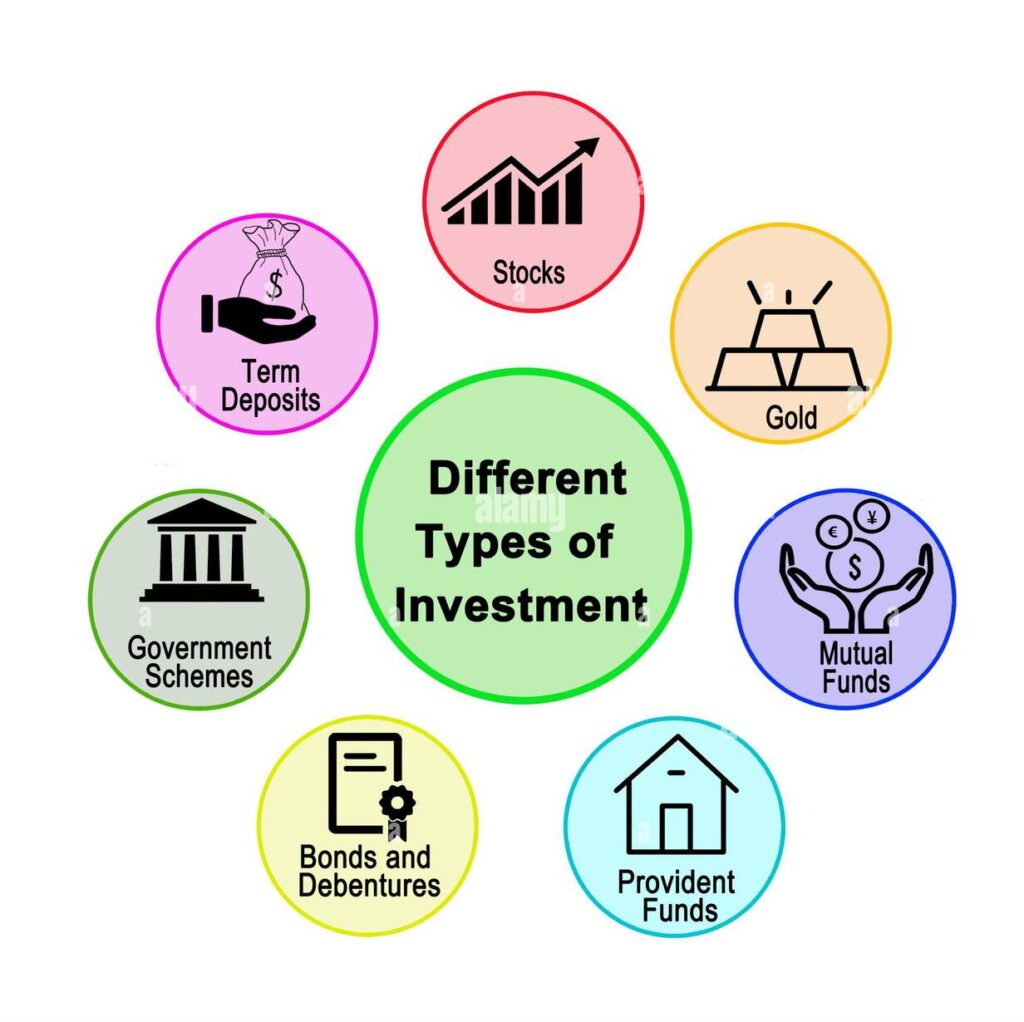
🔹 Asset Classes
- Stocks (domestic and international)
- Bonds
- Real estate
- Cash or money market instruments
- Alternatives (commodities, private equity, etc.)
🔹 Sectors & Industries
- Technology
- Healthcare
- Consumer goods
- Energy
- Financials
🔹 Geographic Regions
- U.S. and North America
- Europe
- Asia-Pacific
- Emerging markets
Tip: Diversification isn’t just about quantity—it’s about choosing assets that don’t all move in the same direction.
🧠 How Diversification Reduces Risk (Illustrated)
✅ Example:
Imagine you invested all your money in one airline stock. If a fuel crisis or pandemic hits, your portfolio could lose significant value.
✅ Instead:
A diversified portfolio could include airline stocks, tech companies, bonds, and international funds. Even if airlines suffer, other holdings may stay steady or grow.
🔄 Rebalancing: Keeping Diversification on Track
Over time, some investments will grow faster than others. This can throw your portfolio out of balance.
Rebalancing means adjusting your holdings periodically to maintain your desired mix. For example, if stocks outperform bonds, you might sell some stocks and buy bonds to return to your target allocation.
🌱 Benefits of Diversification in the Long Run
Studies have shown that diversified portfolios:
✅ Experience less volatility
✅ Recover faster from downturns
✅ Generate more reliable long-term growth
That’s why diversification is often called “the only free lunch in investing.”
✨ Quick Tips to Diversify Your Portfolio
1️⃣ Invest in index funds or ETFs that track broad markets.
2️⃣ Don’t chase performance—stick to your plan.
3️⃣ Consider global exposure, not just domestic markets.
4️⃣ Use bonds or cash to cushion against stock volatility.
5️⃣ Review and rebalance at least once a year.
📌 Conclusion
Diversification isn’t just a strategy—it’s a mindset. By spreading your investments, you can navigate market swings with more confidence and build a resilient foundation for your financial future.
Ready to take action? Use the infographic below as your roadmap to smarter, more balanced investing.
📈 Infographic Preview
Title:
The Power of Diversification in Investing
Sections:
- What Is Diversification?
- Why It Works
- How to Diversify (Assets, Sectors, Regions)
- Rebalancing Explained
- Tips for Long-Term Success