

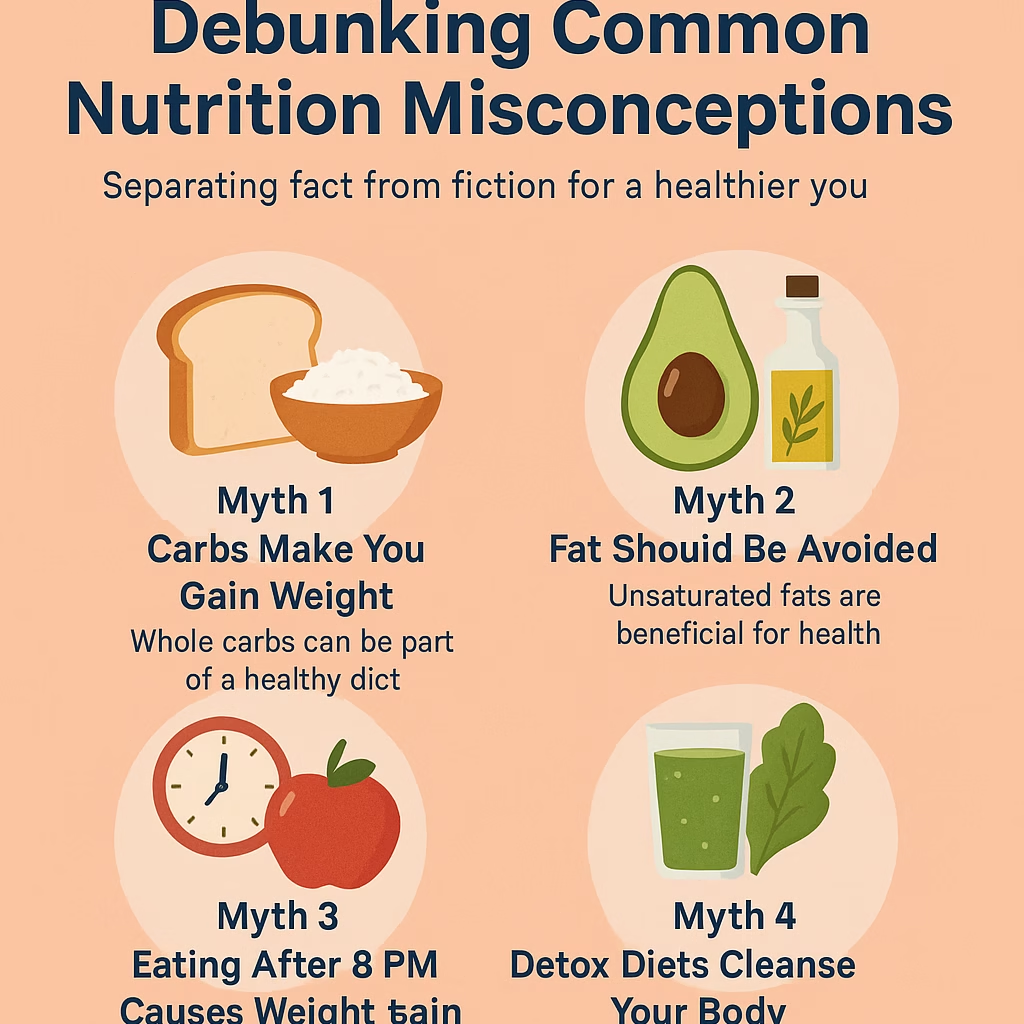
Separating Fact from Fiction for a Healthier You
When it comes to nutrition, there’s no shortage of myths, half-truths, and outdated advice floating around. Whether it’s passed down from family, shared by influencers, or picked up from viral posts, many of these misconceptions can lead to poor dietary habits or unnecessary restrictions.
In this post, we’ll tackle some of the most common nutrition myths and set the record straight—based on science, not fads.
Myth 1: Carbs Make You Gain Weight
The Truth: Carbohydrates are not inherently fattening. Weight gain occurs when you consume more calories than you burn, regardless of the source. Whole carbs like fruits, vegetables, legumes, and whole grains provide fiber, vitamins, and energy your body needs. The key is avoiding excessive refined carbs and sugary snacks.
Myth 2: Fat Should Be Avoided
The Truth: Not all fats are bad. In fact, your body needs healthy fats for brain function, hormone production, and nutrient absorption. Unsaturated fats found in nuts, seeds, olive oil, and fatty fish are beneficial. It’s trans fats and excessive saturated fats that should be minimized.
Myth 3: Eating After 8 PM Causes Weight Gain
The Truth: It’s not when you eat, but what and how much you eat. If your total daily calorie intake is within your needs, eating a healthy snack at night won’t cause weight gain. However, late-night eating often involves high-calorie, low-nutrition foods, which is where the problem lies.
Myth 4: Detox Diets Cleanse Your Body
The Truth: Your liver and kidneys are your natural detox system. There’s no need for expensive juices or extreme cleanses. A balanced diet rich in fiber, water, and whole foods is far more effective for supporting your body’s natural detox processes.
Myth 5: Plant-Based Diets Lack Protein
The Truth: While animal products are protein-rich, many plant-based sources also provide ample protein—think beans, lentils, tofu, quinoa, and nuts. With a varied plant-based diet, it’s entirely possible to meet your protein needs.
Myth 6: Gluten-Free Is Always Healthier
The Truth: Gluten-free diets are essential for people with celiac disease or gluten sensitivity. For others, going gluten-free doesn’t necessarily mean healthier—it can even lead to missing key nutrients if not planned properly. Many gluten-free products are highly processed and can be high in sugar or fat.
Final Thoughts
Nutrition science is always evolving, and it’s important to stay informed with credible, evidence-based information. By debunking these common myths, we can build healthier eating habits based on truth—not trends.
Remember: Listen to your body, eat a balanced diet, and consult a registered dietitian or healthcare provider for personalized advice.