

From sci-fi fantasy to daily reality, Virtual Reality (VR) and Augmented Reality (AR) have evolved dramatically over the past decade. Once reserved for niche gaming experiences, these immersive technologies are now revolutionizing industries like healthcare, education, retail, and even mental health.
In this blog, we’ll explore how VR and AR are advancing, where they’re being used today, and what their future could look like.
🎮 What’s the Difference Between VR and AR?
Before diving into advancements, it’s important to clarify the difference:
- Virtual Reality (VR): A fully immersive experience that replaces the real world with a simulated one. It usually requires a headset (like Meta Quest or PlayStation VR).
- Augmented Reality (AR): Enhances the real world by overlaying digital content on top of it, usually through a smartphone, AR glasses, or a heads-up display (like Pokémon GO or Google Lens).
🚀 Recent Advancements in VR
1. Higher Resolution and Realism
Modern VR headsets now support:
- 4K+ resolution per eye
- Wider fields of view
- Eye-tracking and foveated rendering for smoother performance
These upgrades allow for hyper-realistic experiences that reduce motion sickness and improve comfort.
2. Wireless & Standalone Devices
Devices like the Meta Quest 3 offer high-quality VR without needing a PC or wires, making VR more accessible and mobile than ever.
3. Haptic Feedback and Motion Tracking
Advanced sensors and haptic gloves now allow users to:
- Interact naturally in virtual spaces
- “Feel” textures and vibrations
- Perform tasks with full-body motion tracking
🧠 Advancements in AR
1. AR Glasses and Wearables
Companies like Apple (Vision Pro), Magic Leap, and Microsoft (HoloLens) are creating wearable AR devices with:
- Real-time spatial mapping
- Gesture-based controls
- Voice command support
These headsets are already being tested in surgical planning, design visualization, and fieldwork training.
2. Smartphone-Based AR Apps
AR is now mainstream through apps like:
- IKEA Place (see furniture in your room)
- Snapchat filters and Instagram effects
- Google Maps AR walking directions
Mobile AR uses powerful cameras and sensors to create seamless real-world interactions.
🏥 Real-World Applications of VR and AR
🏥 Healthcare
- VR used for pain management, therapy, and surgical simulations
- AR aids in real-time visualization during surgeries
🧠 Education and Training
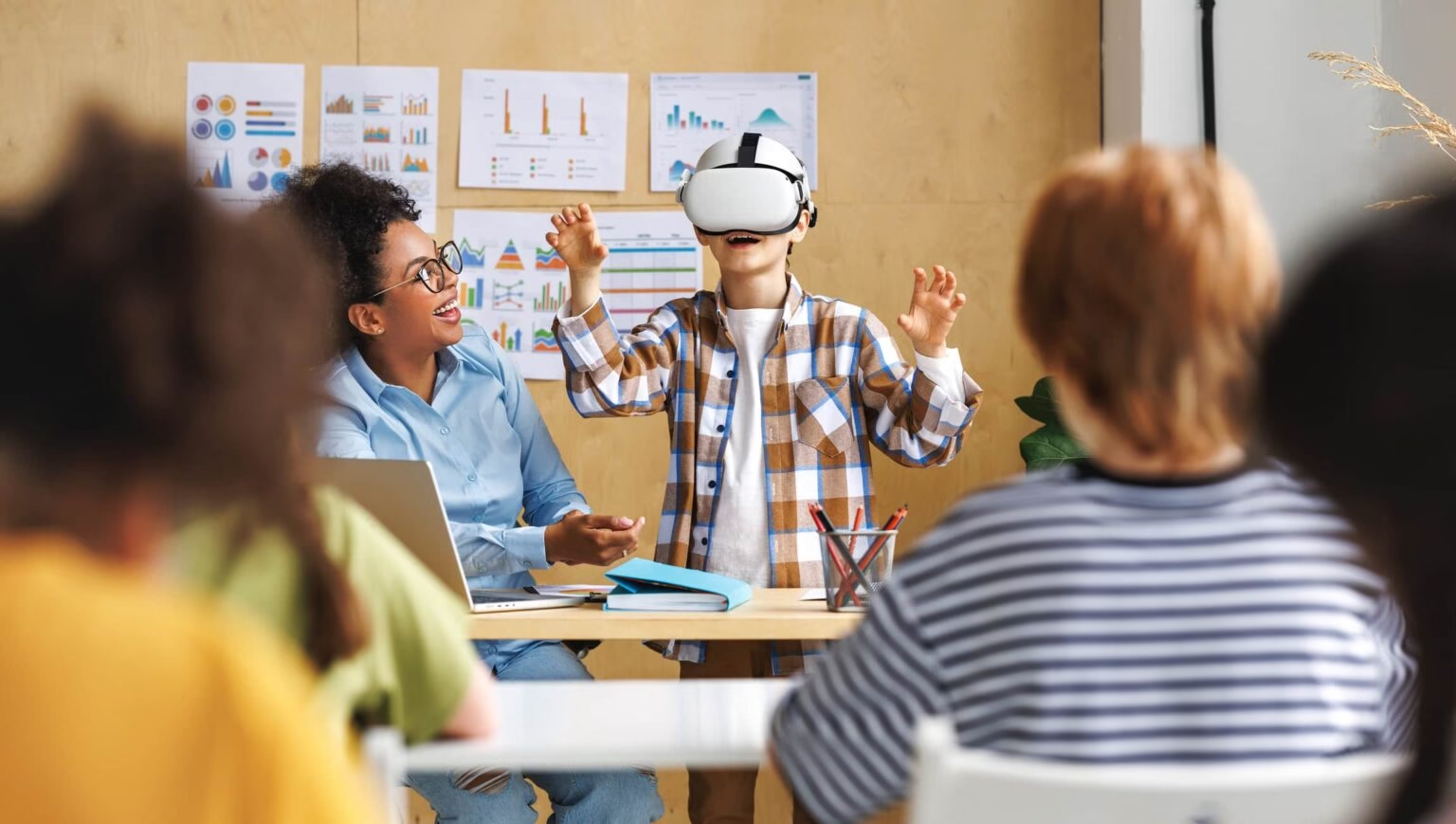
- VR for immersive history, science, and language lessons
- AR helps in medical, military, and technical skill training
🛍️ Retail and E-Commerce
- Virtual try-on tools (glasses, makeup, clothes)
- AR-enhanced product previews and showrooms
🎨 Art and Design
- Architects use VR to walk through virtual buildings
- Artists create 3D sculptures and AR installations
🧘♀️ Mental Health and Wellness
- VR used in exposure therapy for anxiety and PTSD
- Virtual meditation environments for stress relief
🧭 What’s Next for VR and AR?
Looking ahead, here are some trends shaping the future:
- Mixed Reality (MR): A blend of VR and AR for seamless transitions between virtual and real worlds
- Social VR platforms where people can meet, work, and play in virtual environments
- AI-powered AR that adapts and responds to real-time environments more intelligently
- Lighter, more wearable hardware that feels like regular glasses or contact lenses
🧠 Final Thoughts
VR and AR are no longer just futuristic buzzwords—they’re real, rapidly evolving technologies that are transforming the way we live, learn, work, and connect. As hardware becomes more accessible and software more sophisticated, the boundary between reality and digital experience continues to blur.
Whether you’re exploring new worlds in VR or seeing your living room through AR lenses, one thing is clear: the future is immersive—and it’s already here.